
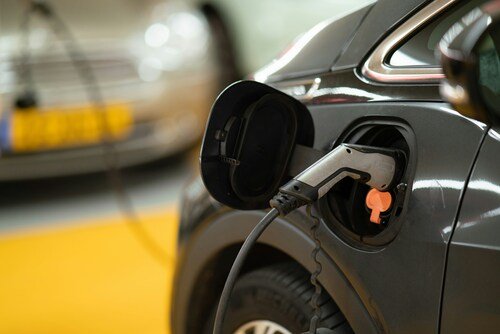
Introduction to Hybrid Batteries
Hybrid batteries are a critical component of hybrid vehicles, which combine an internal combustion engine with electric power to enhance fuel efficiency and reduce emissions. These batteries store and supply energy to the electric motor, allowing the vehicle to operate on electric power when required and engage the gasoline engine when necessary. This dual system creates a more efficient driving experience, effectively converting energy from both the engine and regenerative braking into usable power.
There are mainly two types of hybrid batteries used in vehicles today: nickel-metal hydride (NiMH) batteries and lithium-ion (Li-ion) batteries. NiMH batteries have been widely used in hybrid vehicles since the early 2000s. They are known for their long cycle life, durability, and ability to handle high temperatures. On the other hand, lithium-ion batteries are becoming increasingly popular due to their higher energy density, lighter weight, and faster charging capabilities, making them suitable for plug-in hybrid models. The choice between these battery types often depends on the vehicle’s design and intended use.
Understanding the lifespan of hybrid batteries is essential for both vehicle performance and environmental sustainability. A hybrid battery’s performance can significantly affect fuel efficiency, leading to higher emission levels if the battery is not operating at optimal capacity. Additionally, as with any battery technology, understanding the factors impacting hybrid battery longevity — such as usage patterns, climate conditions, and maintenance practices — helps consumers make informed choices about their vehicle purchase and care. By being aware of these aspects, owners can better appreciate the economic and ecological advantages that hybrid vehicles offer, while also anticipating potential challenges related to battery replacement and recycling.
Factors Influencing Hybrid Battery Lifespan
The lifespan of hybrid batteries is influenced by a myriad of factors that can significantly affect performance and longevity. One of the primary determinants is usage patterns, which encompass driving habits and charging behaviors. For instance, aggressive driving styles, characterized by rapid acceleration or frequent braking, can lead to increased battery drain and faster degradation. Conversely, gentle driving can help preserve battery life, as it often ensures that the battery operates within its optimal charging range.
Charging behaviors also play a crucial role. Regularly charging a hybrid battery to full capacity or allowing it to discharge completely can accelerate wear. Ideally, keeping the battery charge between 20% and 80% can help in prolonging its lifespan. Owners should also be aware that frequent reliance on fast charging can generate excess heat, further compromising battery health.
Environmental conditions, such as temperature and humidity, can significantly affect the performance of hybrid batteries. High temperatures can lead to overheating, which is detrimental to battery life. For instance, vehicles used in hotter climates may experience a 20% reduction in lifespan compared to those operating in cooler environments. Additionally, high humidity can introduce moisture into the battery compartment, potentially causing corrosion and other issues that hinder the battery’s functionality.
Finally, regular maintenance practices are essential for extending the lifespan of hybrid batteries. This includes ensuring battery terminals are clean, inspecting for any signs of leaks, and following manufacturer’s guidelines for servicing the hybrid system. By incorporating sound maintenance practices alongside mindful usage and attentiveness to environmental conditions, hybrid vehicle owners can maximize their battery’s lifespan and efficiency.
Average Lifespan and Signs of Battery Degradation
Hybrid batteries are a crucial component of hybrid vehicles, contributing significantly to their efficiency and performance. On average, the lifespan of a hybrid battery ranges between 8 to 15 years, depending on various factors including usage, climate, and proper maintenance. According to various studies and manufacturers’ data, most hybrid batteries can endure 100,000 to 150,000 miles before showing significant signs of degradation. However, some well-maintained batteries can last even longer, particularly if the vehicle is driven under optimal conditions.
Several factors contribute to the longevity of a hybrid battery. Frequent short trips can accelerate battery wear since the battery does not have the opportunity to fully charge and discharge as it would during longer rides. Extreme temperatures may also affect the battery’s performance, with excessive heat being particularly detrimental. Proper maintenance, such as regular check-ups and ensuring that the battery cooling system is functioning, can help extend the battery’s lifespan.
As hybrid battery technology evolves, drivers are encouraged to monitor key indicators of battery health to identify potential degradation. These indicators include a noticeable decrease in fuel efficiency, the appearance of warning lights on the dashboard, and longer charging times. A drop in performance, such as reduced acceleration or power, may also signal the battery’s decline. It’s crucial for drivers to be aware of these signs to make informed decisions regarding their hybrid battery health and replacement needs.
Recognizing the early signs of battery degradation can help prevent unexpected breakdowns and ensure that hybrid owners maintain the vehicle’s efficiency. Keeping track of battery performance not only aids in timely intervention but also fosters a better understanding of hybrid technology and its upkeep.
Maximizing Hybrid Battery Lifespan
To extend the lifespan of hybrid batteries, vehicle owners must adopt specific practices and habits that enhance their performance and longevity. One of the most effective strategies involves optimal charging practices. It is recommended to keep the battery charge level between 20% and 80% whenever possible. This range not only helps in maintaining battery health but also reduces stress on the battery cells. Frequent fully charged or fully discharged cycles can lead to accelerated degradation, making it essential to find a balance in charging.
Regular maintenance is also crucial in maximizing the lifespan of hybrid batteries. This includes checking the battery’s terminals and connections for corrosion or any signs of wear. Ensuring clean contacts can prevent electrical resistance that may lead to inefficiencies. Moreover, utilizing the vehicle’s hybrid system efficiently by understanding how to engage regenerative braking can further support battery health. Regenerative braking helps in recapturing energy during braking and feeds it back to the battery, thereby minimizing energy loss.
Moreover, scheduling professional inspections can have considerable benefits for hybrid battery longevity. Trained technicians can perform comprehensive assessments, identifying potential issues before they escalate. Regular diagnostics ensure that all components of the hybrid system are functioning correctly, and any malfunctioning parts are addressed immediately. This proactive approach not only aids in prolonging battery life but also contributes to overall vehicle performance, leading to a more efficient experience.
Incorporating these practices into regular vehicle upkeep can significantly enhance the lifespan of hybrid batteries. By adhering to optimal charging techniques, conducting routine maintenance, and seeking expert evaluations, hybrid vehicle owners can ensure that their batteries perform better and last longer.